With Covid came a quiet reshuffling of priorities. Gatherings became fragile things. Celebration felt less like spectacle and more like presence — less about scale and more about who was seated at the table.
Out of that season came a ritual.
My sister, my husband, and I — three Aquarians born within days of one another — began celebrating our birthdays together. What started as something practical slowly became tradition. A way of choosing to be together, intentionally, year after year.
This year, celebrating felt especially meaningful. Not because of the destination. But because we chose to put aside wish lists and instead, live the life we kept promising ourselves.
So we chose Mexico City.
WHY CDMX
For my husband and me, this was our third time returning to the city — or CDMX (Ciudad de México), as locals say.
We were first drawn here by friends who relocated during Covid, part of the visible wave of newcomers reshaping neighborhoods like Roma Norte and Condesa. From our first visit, we were hooked. I remember calling my sister and saying, “You need to come here. You’ll fall in love.” She made me promise to take her one day.
This was that day.
ARRIVAL
We landed at Mexico City International Airport and ordered an Uber — still the most seamless way to navigate this expansive, layered city.
We dropped our bags, stepped back into the altitude, and immediately began what would become four days of eating, walking, lingering, and celebrating.
I couldn’t tell you the single best thing we ate.
There were tostadas that snapped perfectly at first bite. Conchas still warm from the oven. Street tacos dressed simply with lime and salsa that tasted like someone’s grandmother made it. Mezcal poured generously in dim candlelight.
We secured a couple of reservations in advance — no small feat just days before Mexico City Art Week — but the most memorable bites were unplanned. They came from following suggestions from shopkeepers and servers. From trusting that if someone local says, “You have to try this,” you say yes.
And somehow, you always make room for one more bite.
Where We Stayed
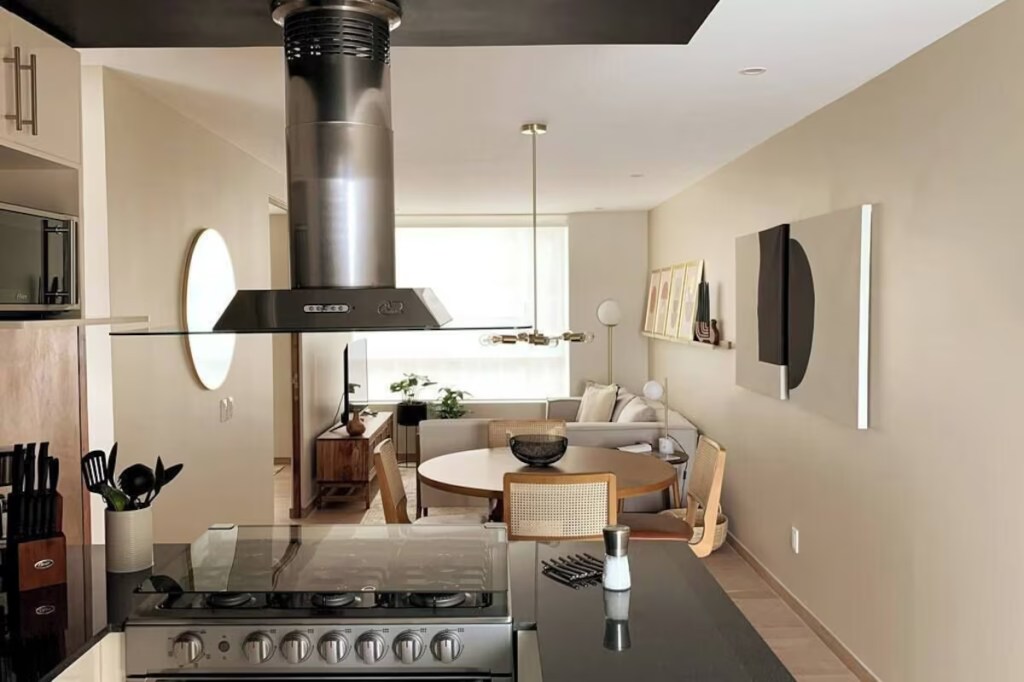
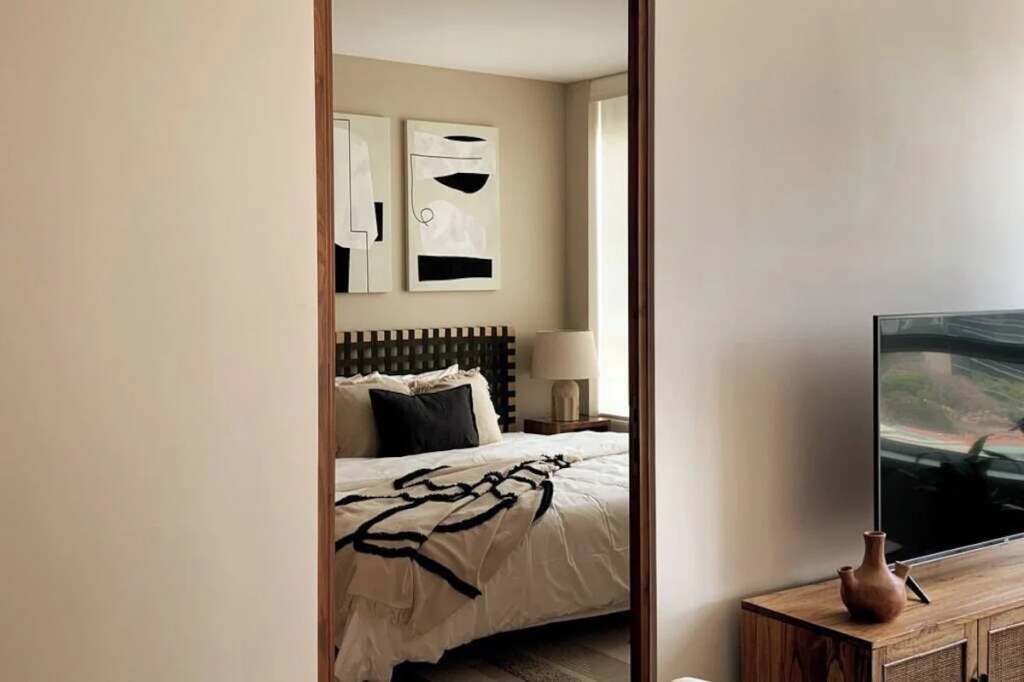
We stayed in Polanco in a modern condo rented through VRBO — a quiet refuge near Museo Jumex and Museo Soumaya. Wide boulevards, morning light through tall windows, and a kitchen where coffee could be brewed slowly before stepping back into the city.
After days spent walking Roma’s leafy streets or moving through museum halls, returning there felt grounding.
Stay details: 2BR/2BA • rooftop pool • 24/7 security • gym • washer/dryer
Nearby: Museo Soumaya, Museo Jumex, Avenida Presidente Masaryk, Antara Fashion Hall
Day One
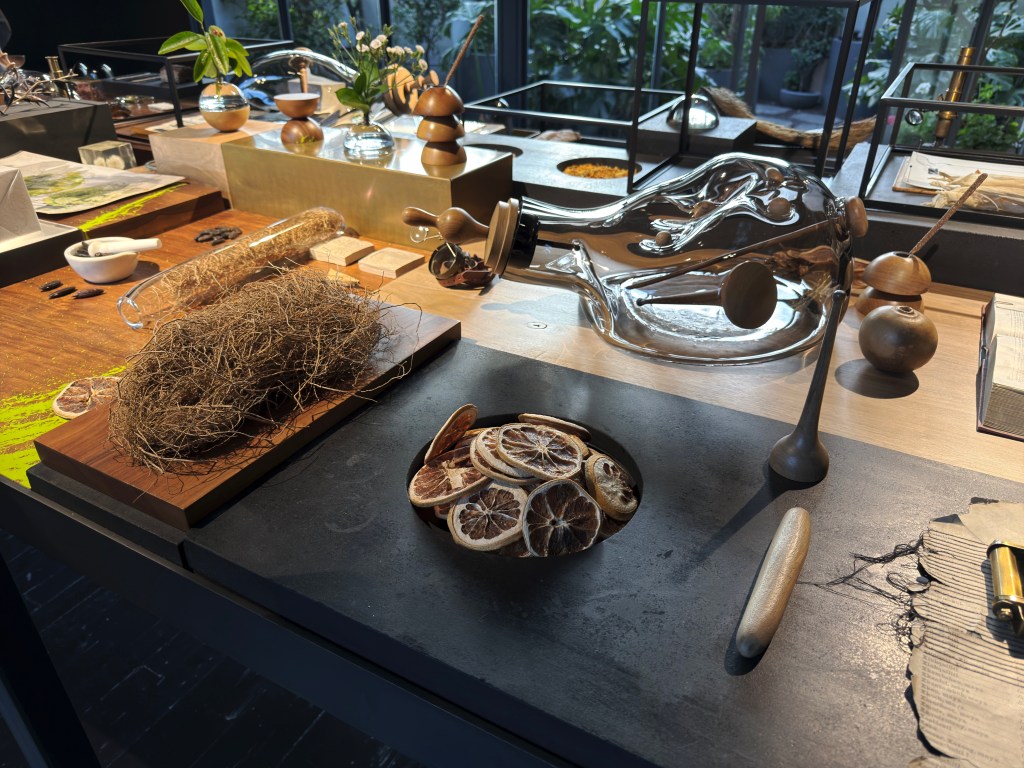
Before dinner, we wandered into Xinú, a glass-walled fragrance sanctuary surrounded by greenery that can make you easily forget you’re in a sprawling city. Testing botanical scents upstairs at a lab-style table felt less like shopping and more like ritual.
We stopped into Pirwi, where sustainability meets clean-lined Mexican design, and Onora Casa, whose handcrafted pieces — black clay from Oaxaca, textiles from Chiapas — make you reconsider everything in your own home.
Then came Campobaja.
Within hours we were seated at Campobaja, having secured a last-minute reservation after Chef Norma Listman and Chef Saqib Keval of Masala y Maíz mentioned it in Condé Nast Traveler’s Where Chefs Eat — the kind of endorsement you trust without hesitation.
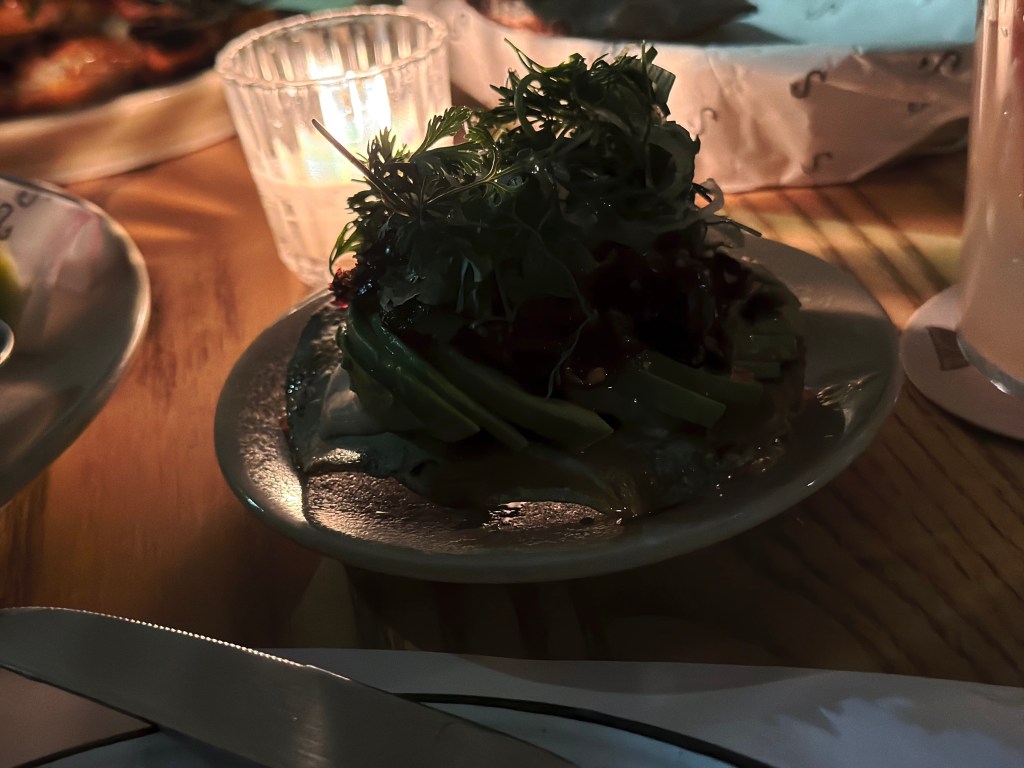
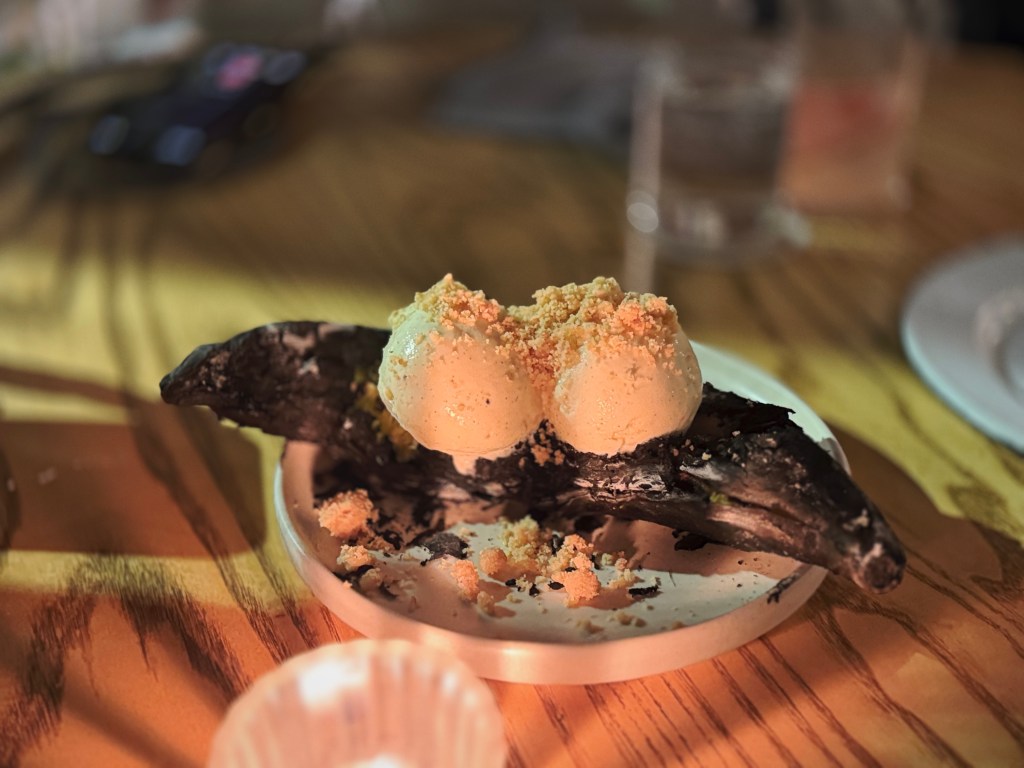
The avocado tostada arrived quietly. I took one bite and conversation stopped. The dishes kept coming — bright ceviches, thoughtful vegetable plates, and a banana flambé with ice cream that felt like the exhale at the end of a perfect meal.
We returned two nights later — not out of convenience, but conviction.
Day Two
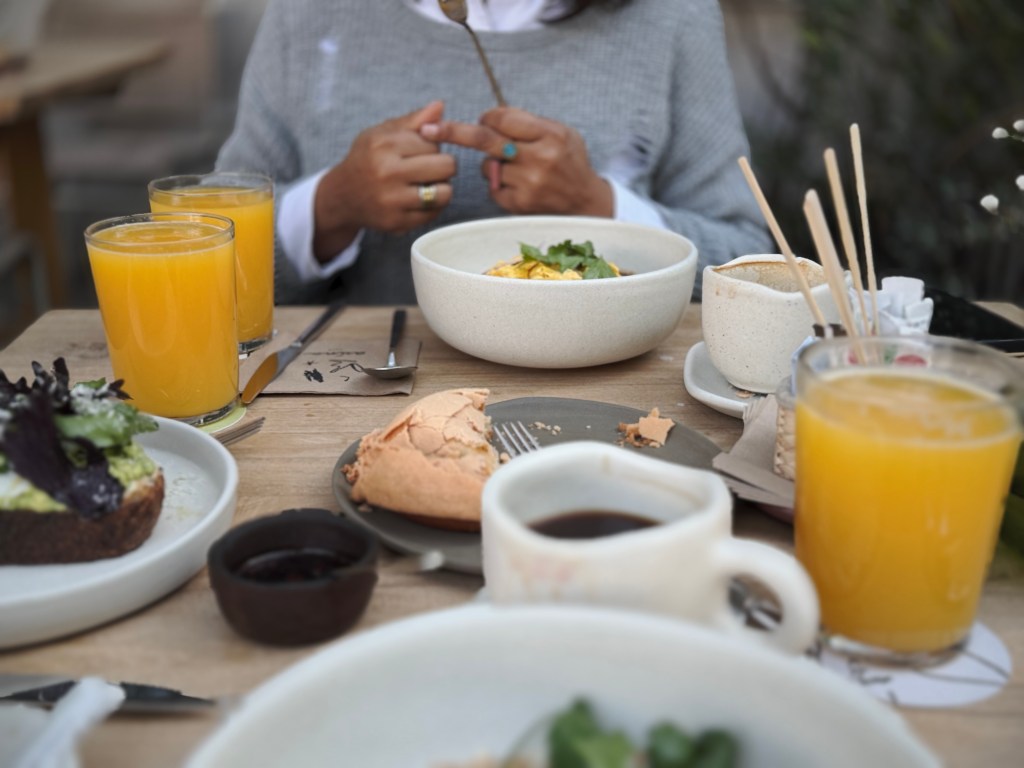
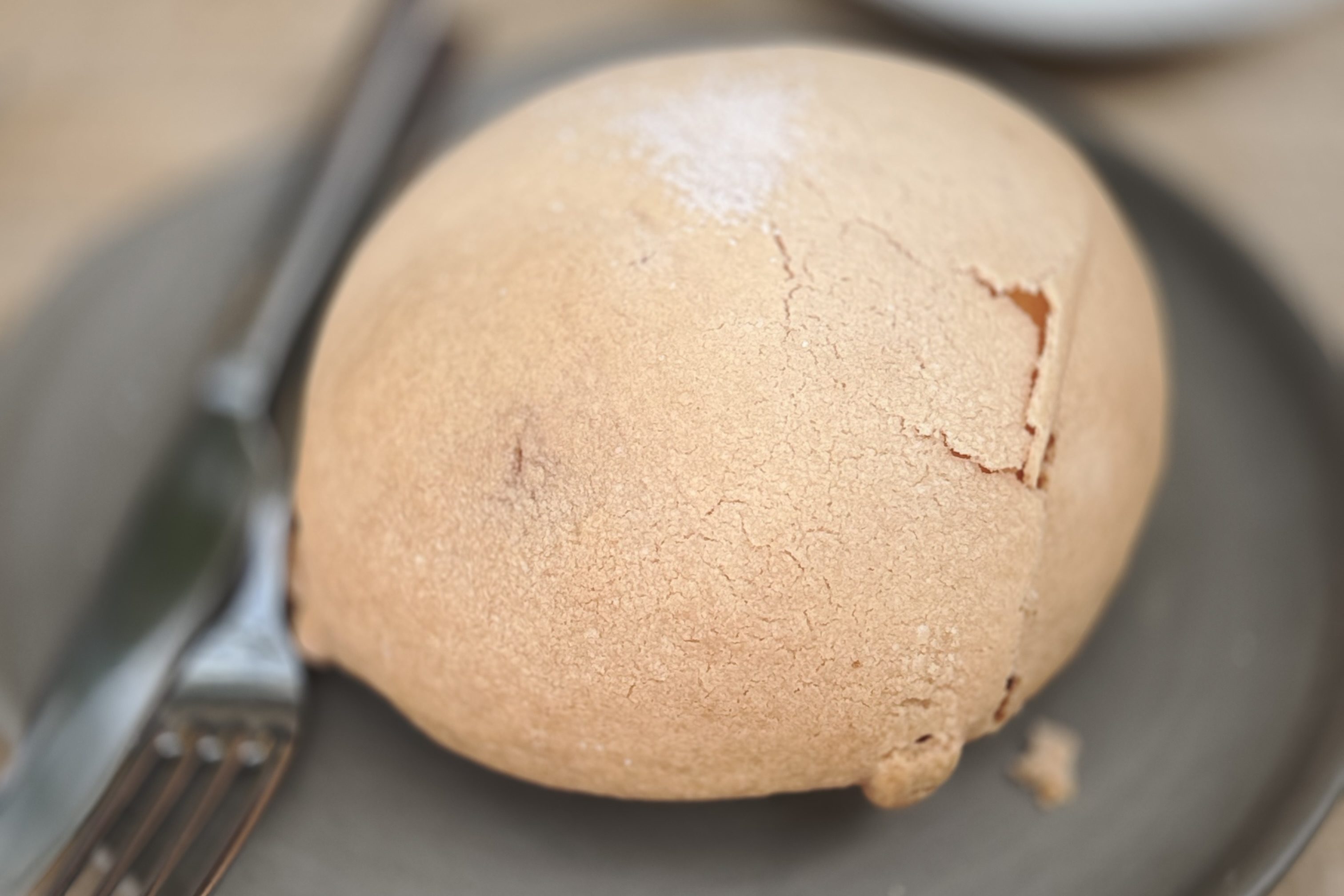
Morning began at Aúna Café, led by Jorge Vallejo of Quintonil. Coffee, wood-fired bread, papaya & lavender marmalade, strawberry concha — light, deliberate, beautifully executed. We returned on our final day and brought beans and marmalade home.
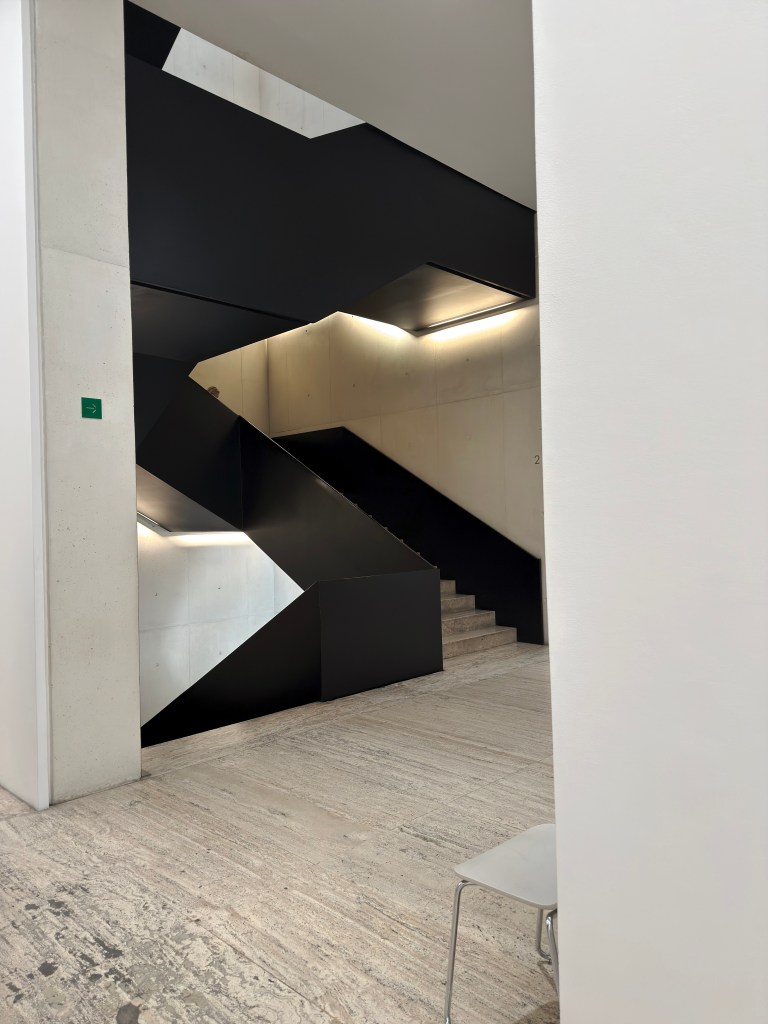
We moved through the galleries of Museo Jumex, paused at Bomboti to explore antiques, and admired tree-lined architecture of Polanco. Lunch at Entremar allowed my sister and husband to enjoy seafood while I navigated my shellfish allergy.
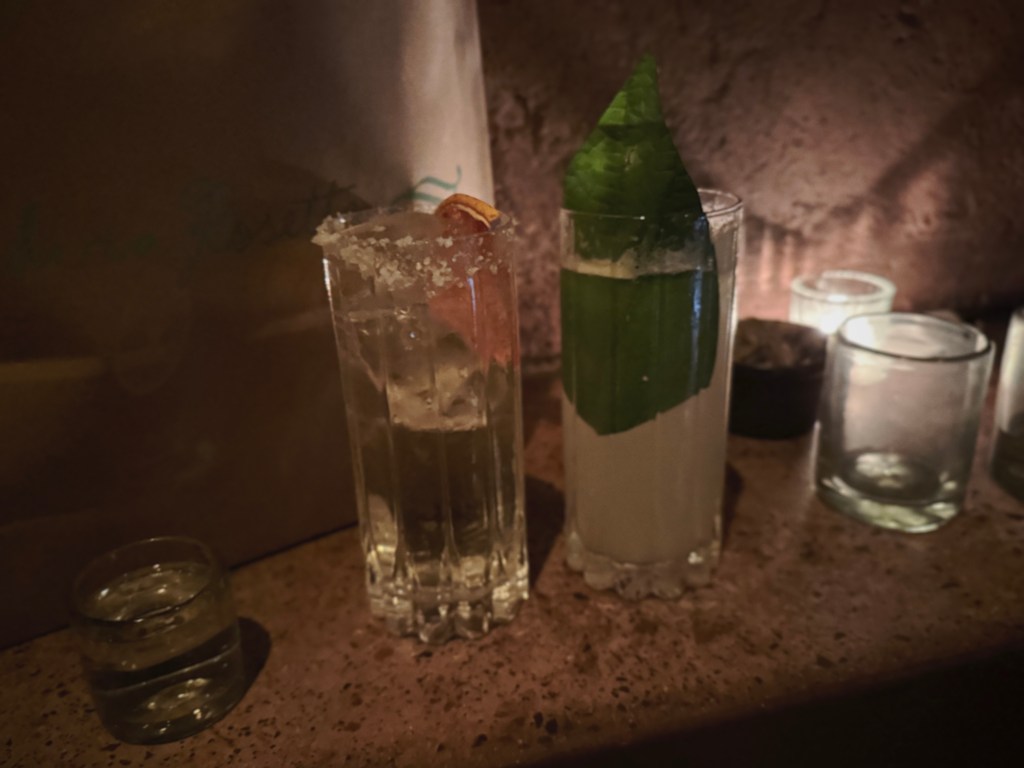
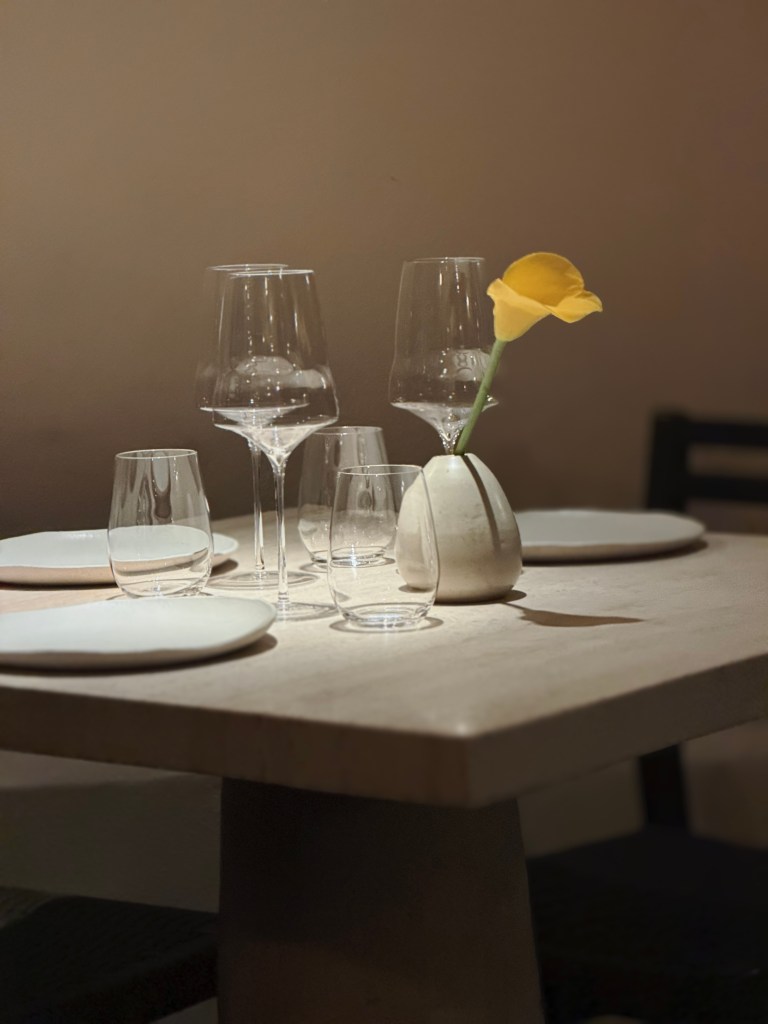
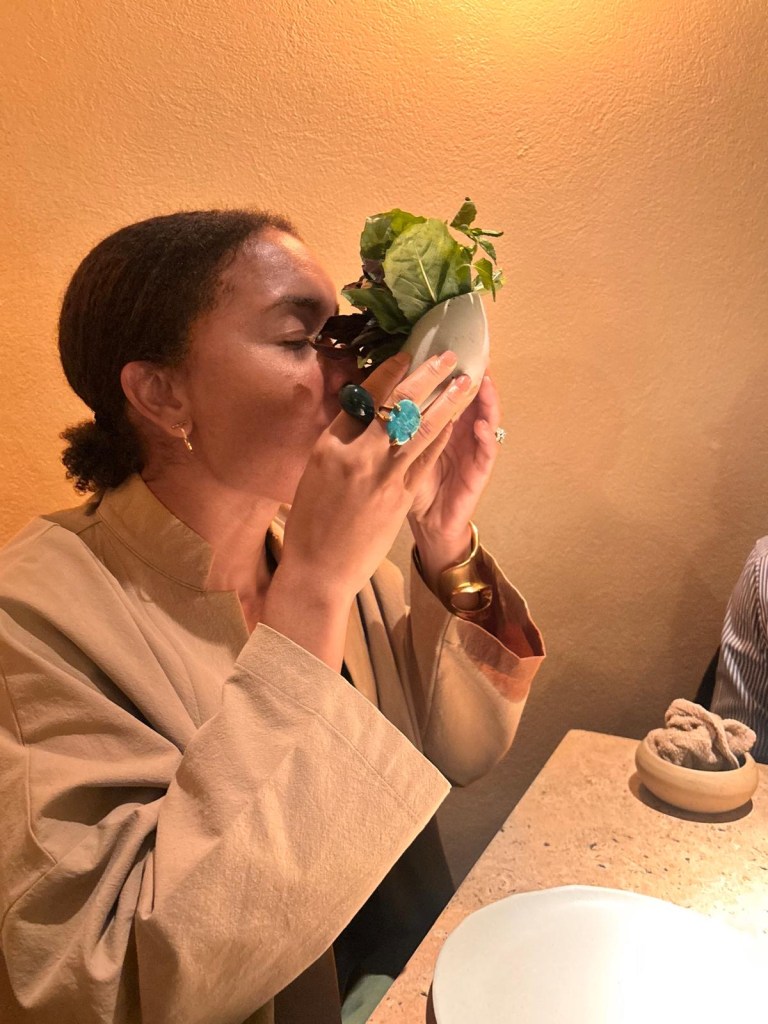
That evening we celebrated properly at Em, Chef Lucho Martínez’s intimate tasting counter blending Mexican ingredients with Japanese precision. The room was minimalist; the dishes restrained but unexpected.Mezcal at Tlecān closed the night — the Paloma Blanca and Tascalate Sour feeling like quiet toasts to another year around the sun.
Day Three
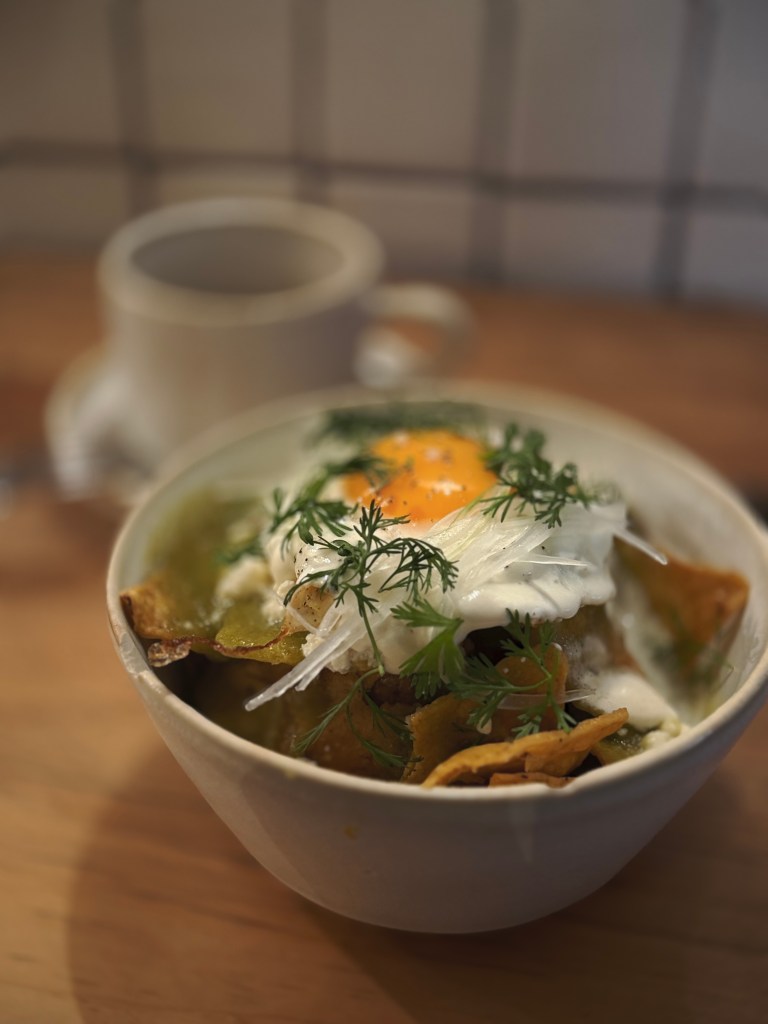
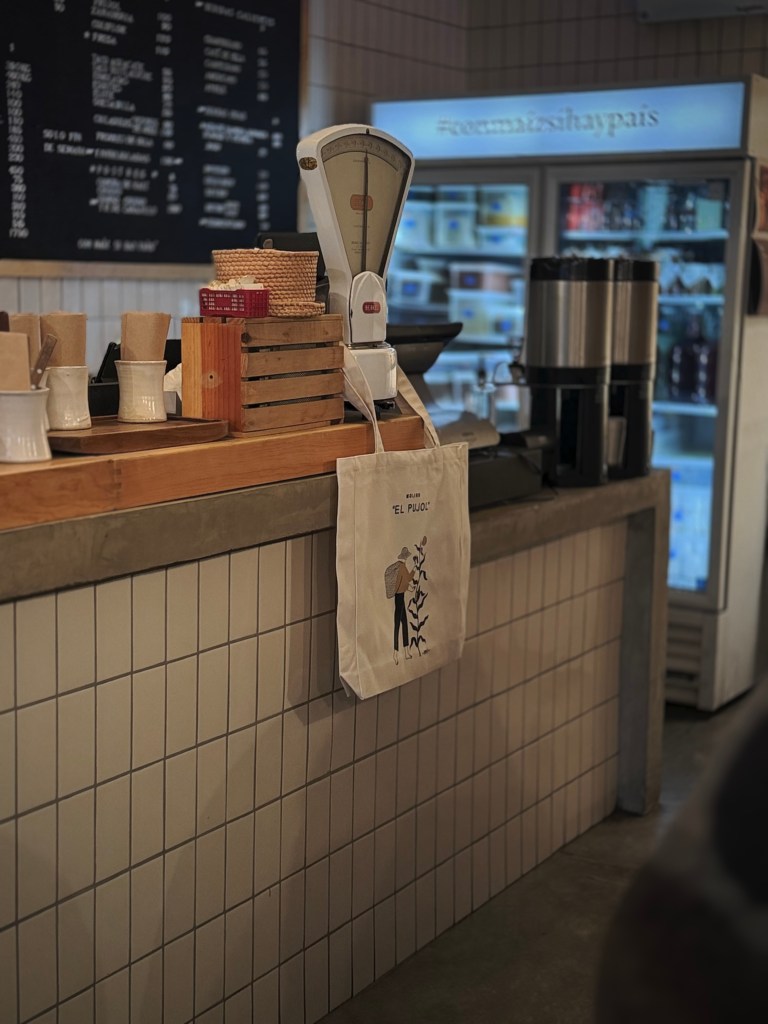
Breakfast at Molino El Pujol, Enrique Olvera’s homage to corn, was exactly what we needed. The chilaquiles verdes and café de olla were my absolute favorites – homey, traditional, like a much needed warm hug.
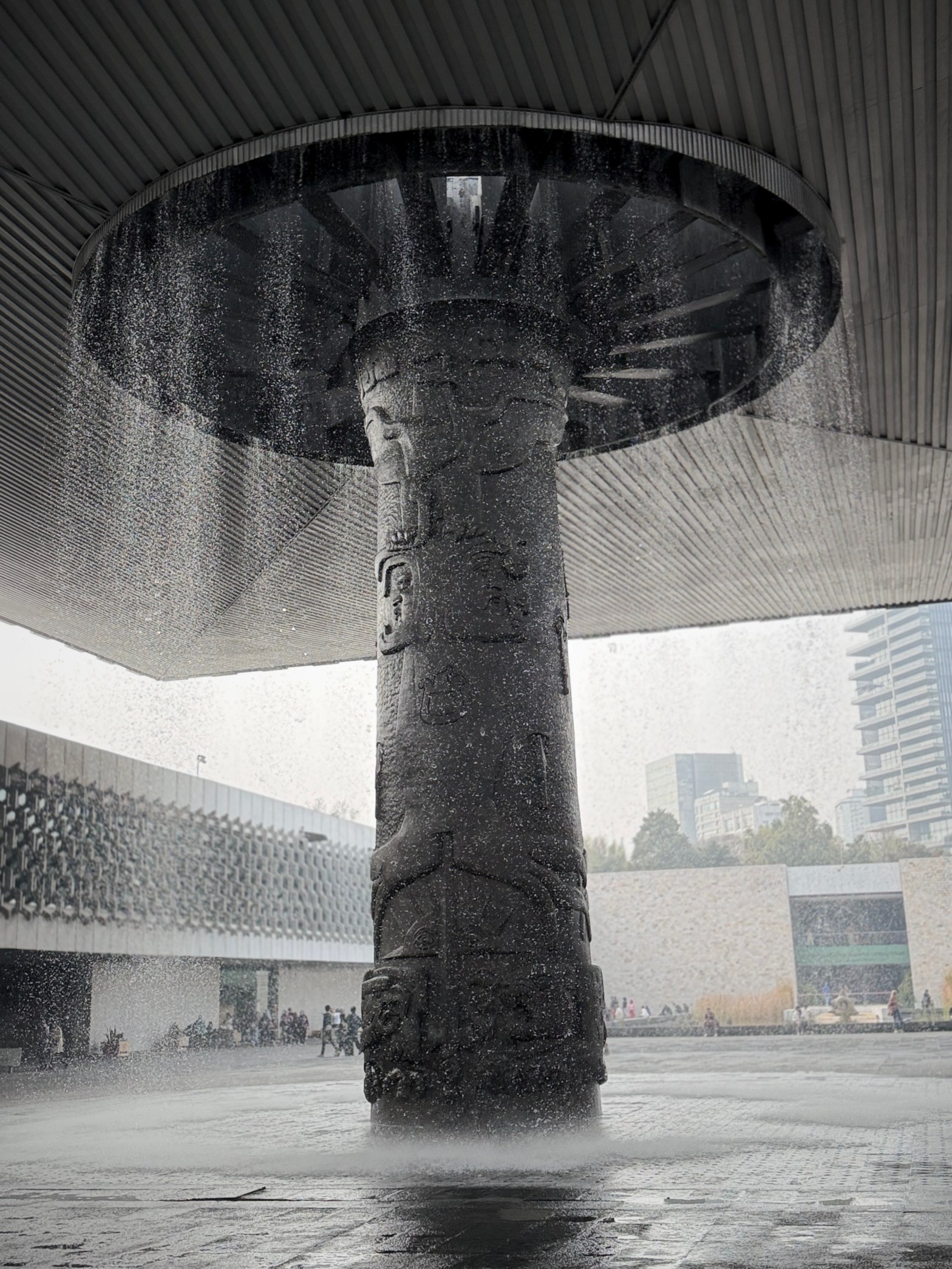
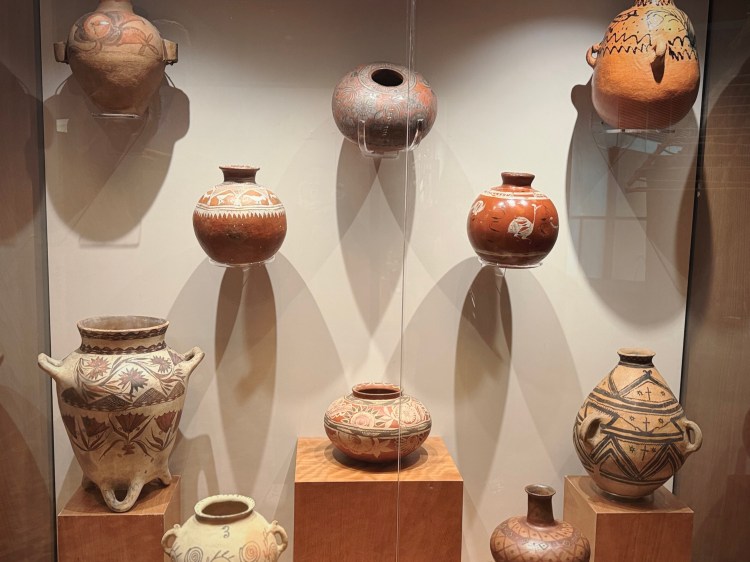
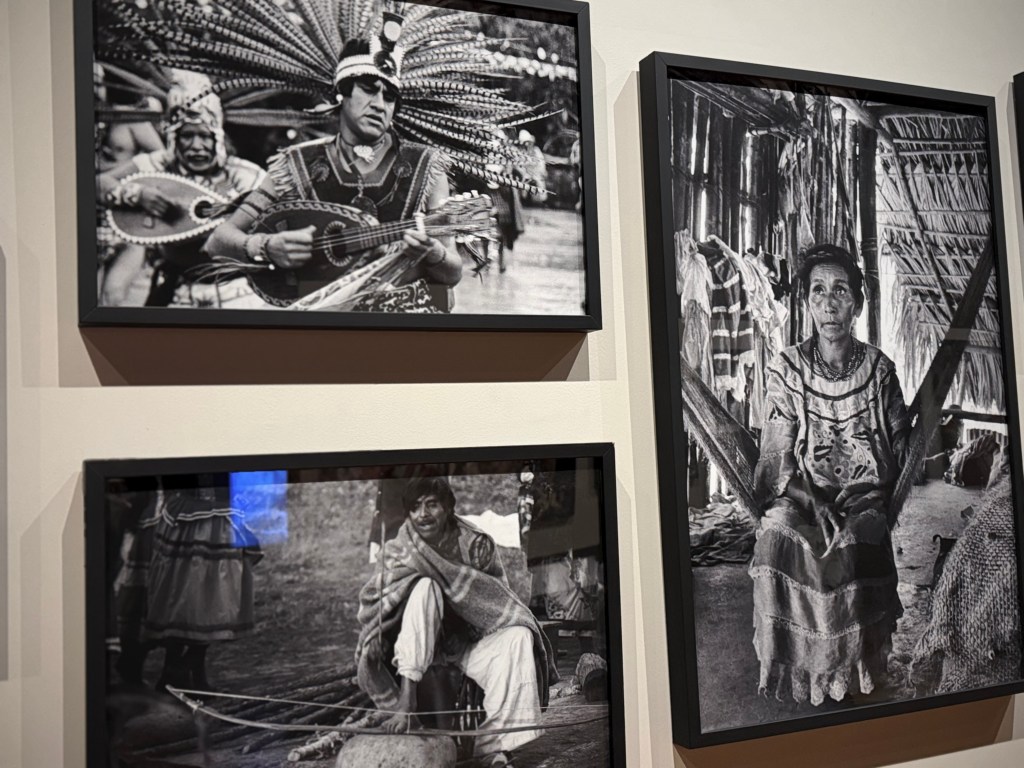
We spent hours inside the Museo Nacional de Antropología, standing beneath its floating canopy and moving through centuries of history.
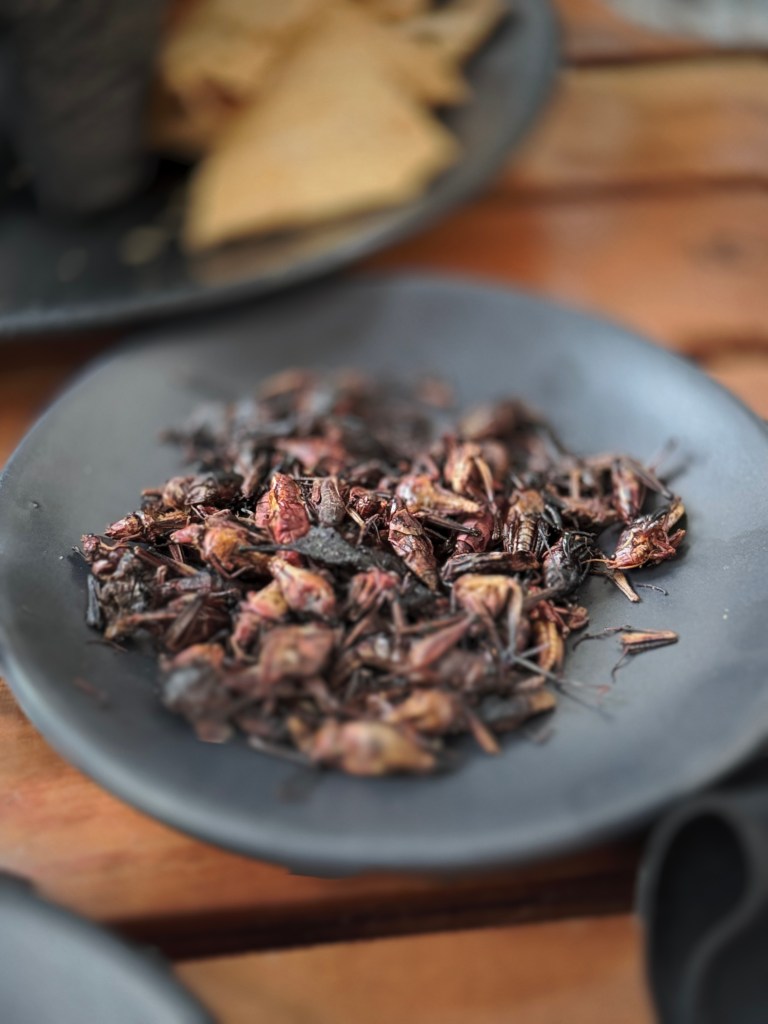
Lunch came from its Sala Gastronómica: chapulines (yes, delectible fried grasshoppers) and guacamole con chicharrón.
That evening we returned to Campobaja. An octopus dish with peanuts and olive oil left us speechless again.
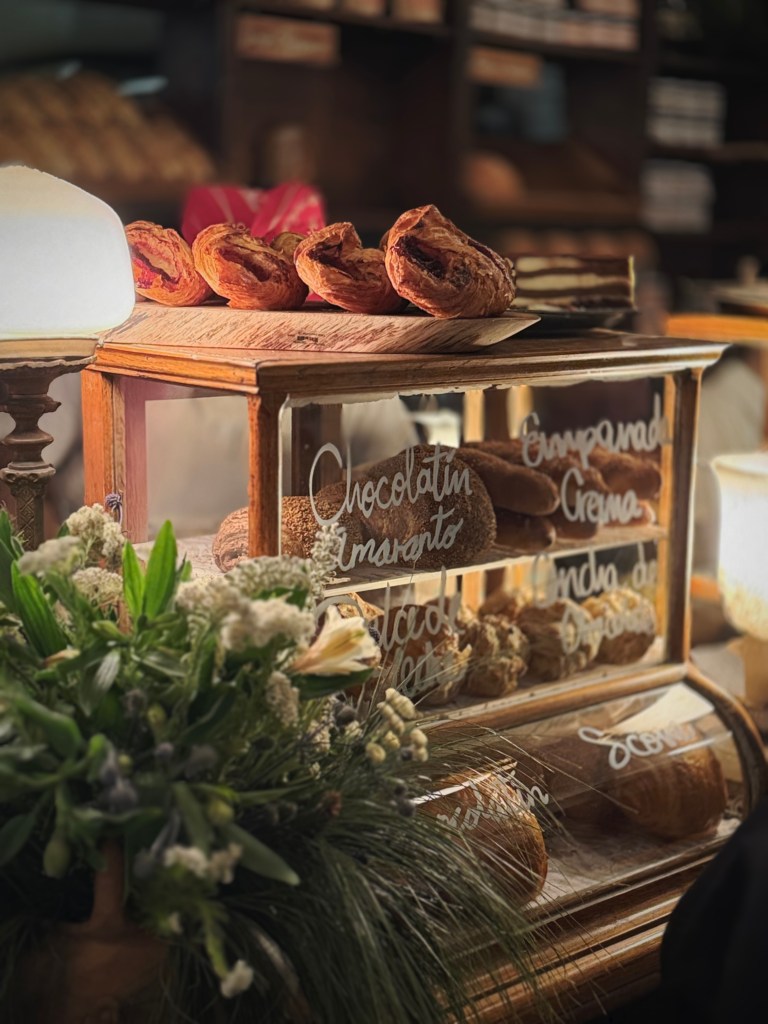
On the way home, we stopped at Panadería Rosetta for conchas and rosemary bread for the morning.
Day Four
Our final morning was the quietest.
Coffee in the apartment kitchen. Pastries split at the counter. No urgency.
A farewell brunch at Aúna before heading to the airport.
Mexico City is layered. Complex. Generous.
A place where ancient and modern coexist without apology. Where repetition feels like comfort rather than habit.
We didn’t rush.
We repeated restaurants.
We lingered.
Four days felt abundant. And still, not enough.
If you go, you’ll leave already planning your return — to CDMX, and perhaps deeper into Mexico itself.
And if you’re lucky, you’ll celebrate something there too. For us, we weren’t just celebrating birthdays.
We were celebrating us.
If You’re Planning Your Own Trip to Mexico City
Stay
- Polanco (calm near Museo Jumex & Museo Soumaya)
- Roma Norte & Condesa (neighborhood energy)
- Short-term rentals: El Alfonsa, VRBO, Wynwood House, ULIV and Airbnb.
Taste
- Breakfast:
- Lunch:
- Pizza Félix
- Street tacos (the longer the line the better)
- Dinner:
Drink
See
- Museo Nacional de Antropología
- Museo Jumex
- Museo Soumaya
- Museo de Arte Popular
- Casa Estudio Luis Barragán
- Mooni Art Gallery
 In Written Word