Most people eat Miami the way they visit it — quickly.
Reservations booked weeks in advance.
A checklist of hotspots.
Photos taken before the first bite.
I used to eat it that way too.
When we came down from Haiti each summer, Miami tasted like indulgence. Fast food we didn’t have back home. Cinnamon rolls at the mall. Oversized sodas. McDonald’s French fries and chicken nuggets eaten in the backseat of a rental car. The taste of America felt processed and thrilling.
Later, as a teenager, Miami tasted like exclusivity. Champagne at brunch. Seafood towers. Tables reserved under last names. Restaurants that felt more like stages than kitchens. I learned early how to dress for dinner here. How to perform appetite.
But it never felt like nourishment.
When we moved from New York in 2019, I worried most about the food. New York had trained my palate to expect layers — cultures stacked on top of one another, flavors competing and collaborating on the same block. I feared Miami would feel one-dimensional.
And then everything slowed down.
Without spectacle, I began eating differently. Slower. Closer to home. I returned to places not because they were trending, but because they felt steady.
There is a difference between eating out and eating here.
Eating out is performance.
Eating here is repetition.
It is knowing which café in Brickell will make your coffee exactly the way you like it without asking twice. It is sitting on a quiet terrace in Coral Gables where the light hits the table just so, and ordering the same dish because you trust it. It is returning not to be impressed, but to enjoy simply: good food.
Miami’s food, like its identity, is layered through migration.
American comfort.
Cuban ventanitas.
Haitian griot and tassot.
Venezuelan arepas.
Colombian bakeries.
Caribbean spice.
Mediterranean restraint.
The city feeds you in accents.
Some nights, focus looks like the quiet precision of casual Spanish NIU Kitchen — a small room, deliberate tapas and plates, nothing superfluous. Food that speaks in a lower register and expects you to listen.
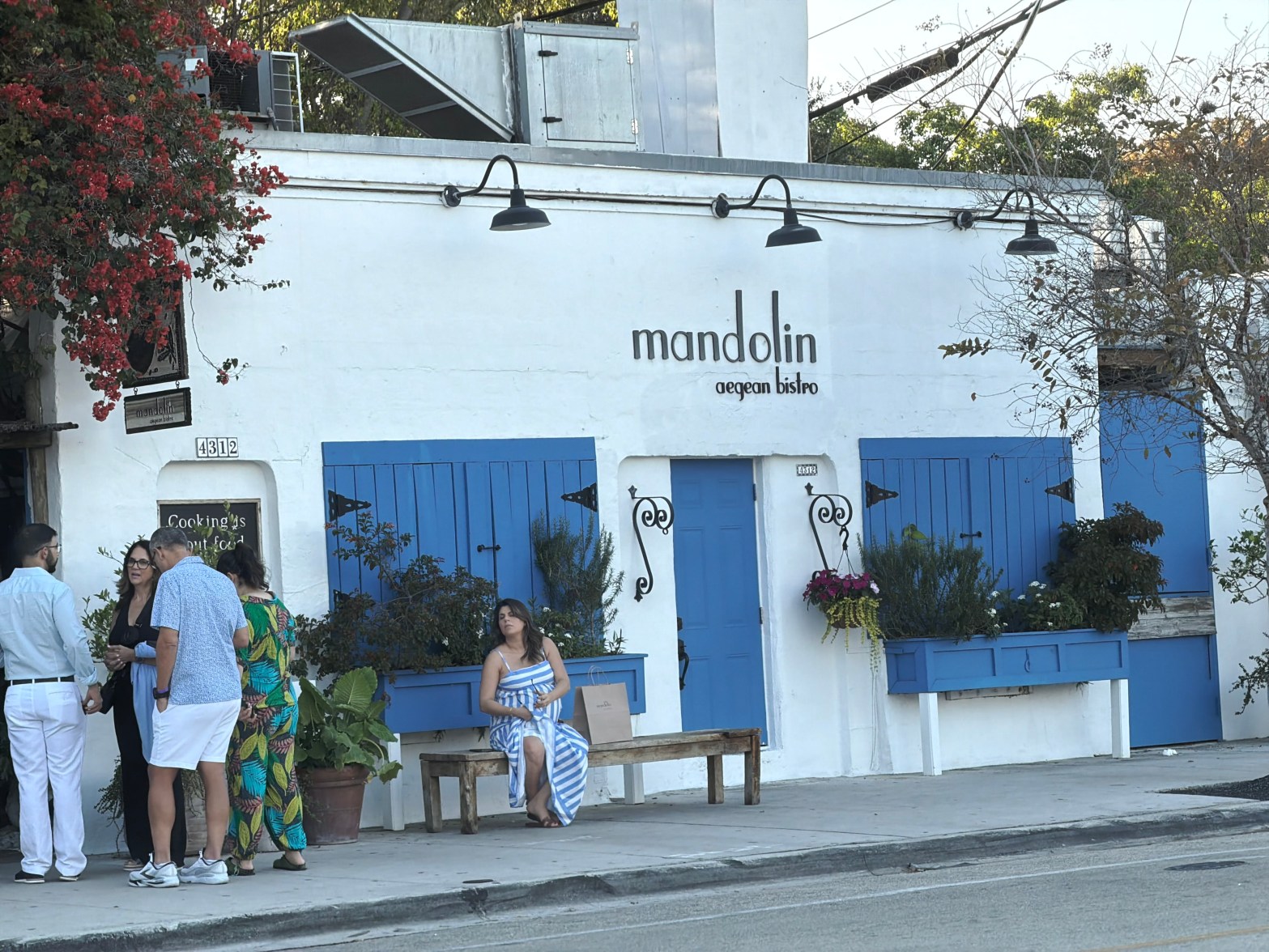
Other nights, it looks like the courtyard at Mandolin Aegean Bistro, where simplicity wins every time — grilled fish, olive oil, lemon, conversation that stretches longer than planned.
It can be the unapologetic comfort of Yardbird Southern Table & Bar, where fried chicken is executed with seriousness, not irony.
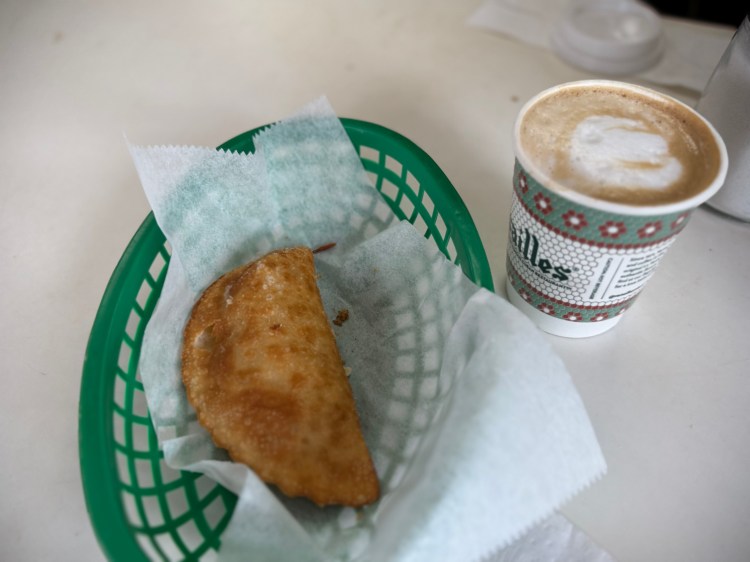
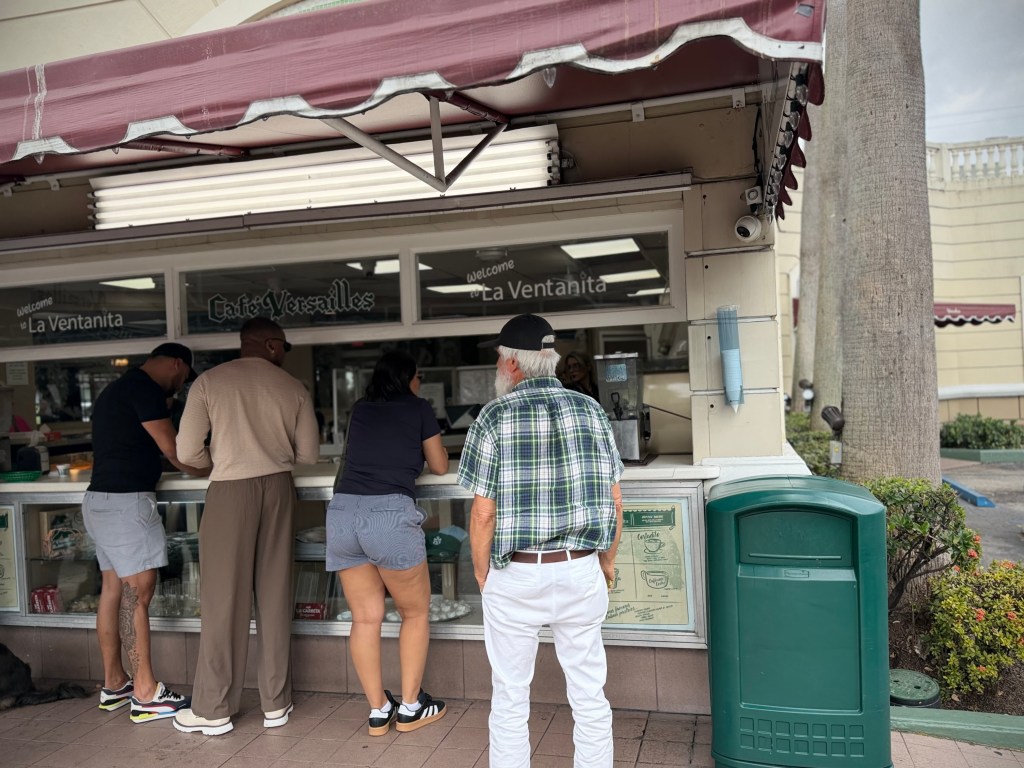
Or the ritual of a cafecito at Versailles Restaurant — standing at the ventanita, elbow to elbow with strangers who feel like neighbors.
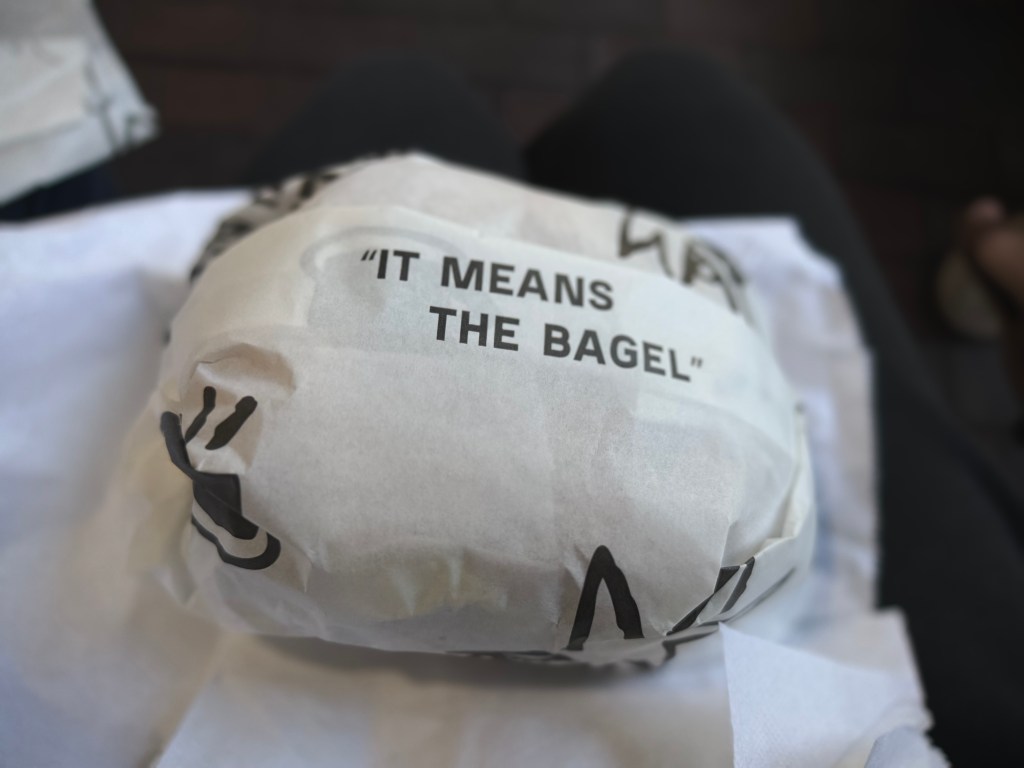
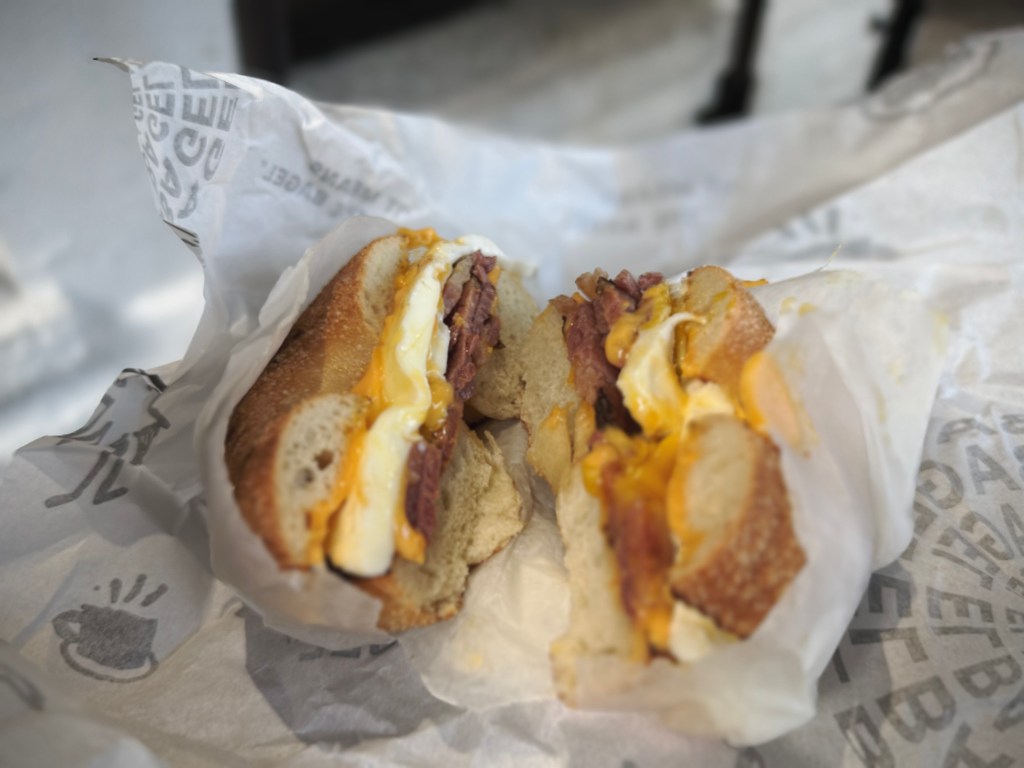
Some mornings begin with a bagel from El Bagel — unpretentious, perfectly chewy, gone before you realize you were hungry. Or breakfast at Tina in the Gables, where eggs meet fried crab and citrus lifts French toast into something unexpectedly refined and comforting.
I should say this clearly: I love a Michelin-star dining room. I love precision. I admire ambition on a plate. There is something deeply impressive about a kitchen that executes at that level.
But through travel — through cities, villages, and rooms with no more than three tables — I have come to believe something simple: the best restaurants, at any level, are the ones that never lose focus on the food.
Sometimes that focus comes with white tablecloths.
Sometimes it comes with a few chairs and no sign outside.
The setting changes. The intention should not.
And then there is Little Haiti.
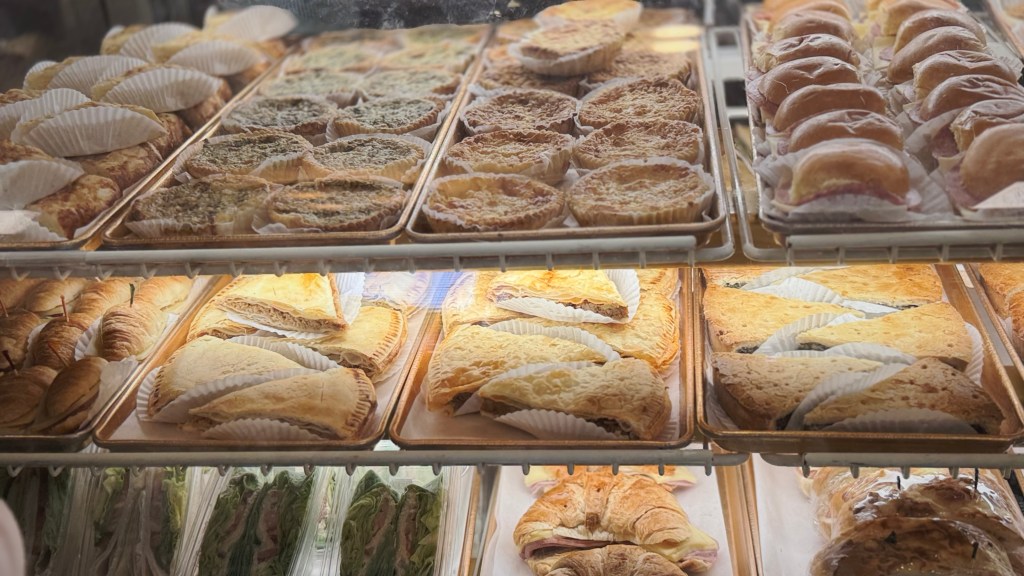
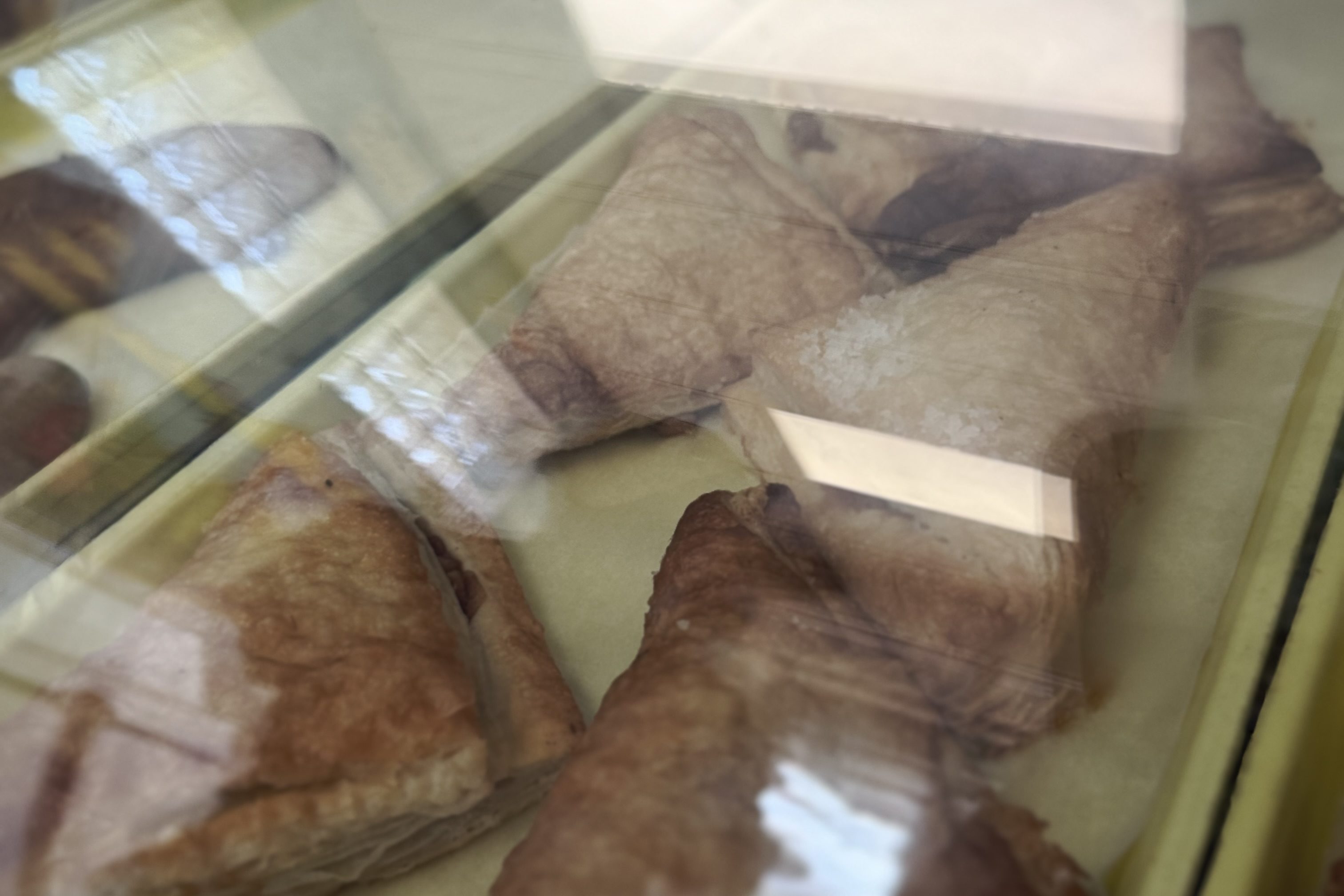
At Piman Bouk Bakery, trays of pate kode and pan rale sit behind glass. Haitian bread wrapped in paper. Customers moving in and out with quiet familiarity. There is no staging. No reinvention. Just dough, heat, and time.

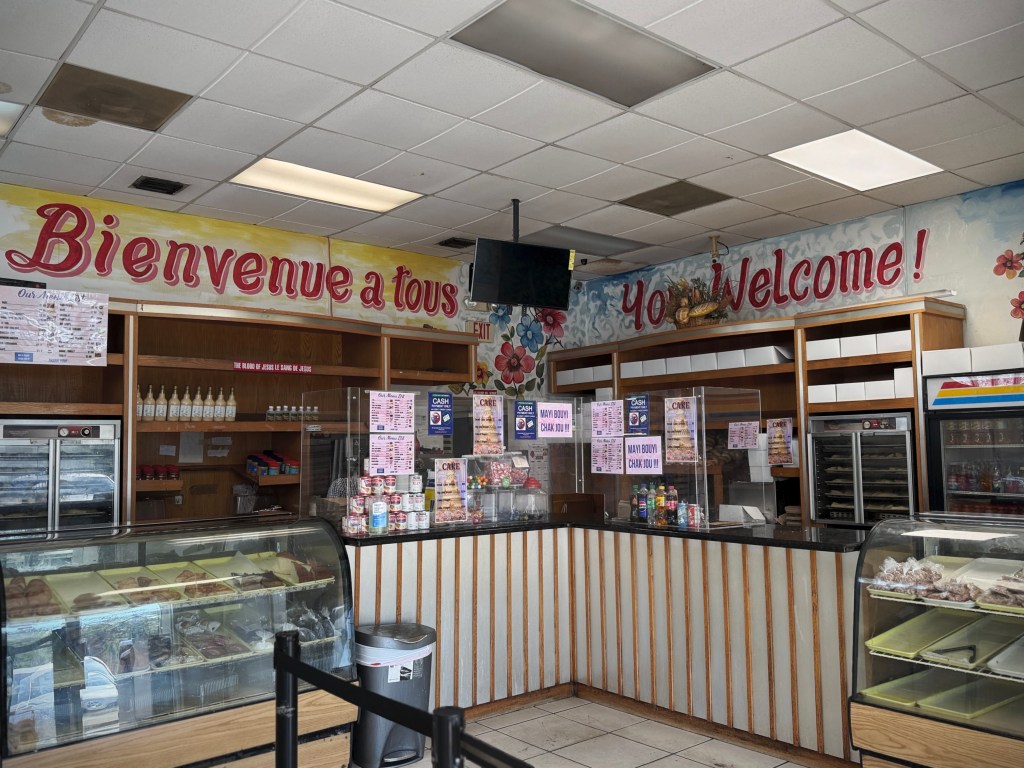
The kind of place where you leave with more than you planned to buy.
The kind that tastes like memory, returning me to a version of myself that does not need translation.
That is when I understood something about this city: Miami’s depth is not only visible in its architecture. It is edible.
The restaurants that feel like home are rarely the loudest. They are the ones where I order without opening the menu. Where the lighting is incidental. Where the meal ends not with applause, but with quiet satisfaction.
Home is repetition.
Home is trust.
Home is food made with intention — whether under a Michelin star or beneath fluorescent lights.
Visitors chase the best table in the city.
I return to the tables that care about what’s on the plate.
The Miami I once tasted as indulgence has become the Miami I taste as belonging.
Not because it is extravagant.
Not because it is new.
But because it is made well.
Miami does not just feed you.
It gives you somewhere to return.
If You’re Visiting Miami
For morning That Feels Local
For Long Lunches
For Focused Dinners
For Coffee & Conversation
For Drinks & Nightfall
 In Written Word